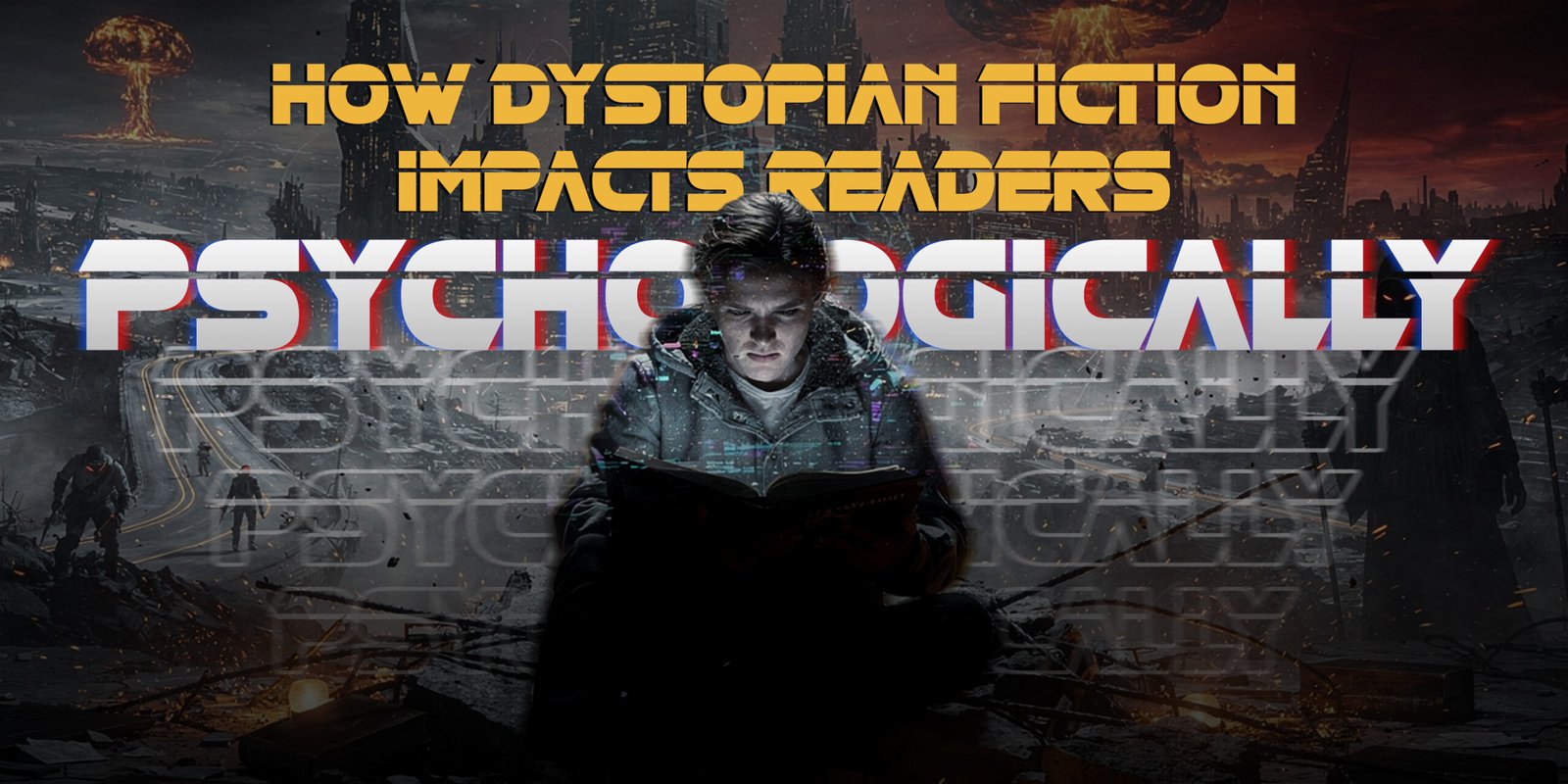
Dystopian fiction is one of the most thought-provoking genres in modern literature. These stories place readers in dark and oppressive worlds shaped by war, environmental collapse, technological control, or authoritarian governments.
Because dystopian fiction often reflects real-world fears and social concerns, it creates a strong emotional and psychological connection with readers. Furthermore, these stories encourage critical thinking, emotional awareness, and deeper reflection about society, survival, and human behavior.
What is the psychological impact of dystopian fiction?
Dystopian fiction psychologically affects readers by increasing emotional awareness, critical thinking, empathy, and social consciousness through stories about survival, oppression, and human resilience.
Social and Political Awareness
In dystopian writings, aspects of real-life problems are echoed, including authoritarianism, inequality, and environmental degradation. These imaginary countries serve as a reminder to those reading that they share some of the same issues that are present in their own country. This new awareness can result in curiosity, concern, and even activism.
This assists in developing critical thinking psychologically. Readers start to question authority, dissect society, and reason on ethical issues. The genre encourages them to think about the possibilities of “what if?” to acknowledge dangers in the real world. With this, dystopian fiction influences a more informed and cautious mind.
Development of Empathy
One of the most important dystopian fiction effects is the development of empathy. Dystopian fiction tends to centre on an outcast or outcast group who are fighting against oppressive systems. With the help of human resilience stories, readers come to know more about suffering, injustice, and resilience through these characters.
This reader emotional connection can turn into lifelong empathy. May experience more empathy for others, sensitivity to issues of discrimination or inequality. Dystopian fiction is immersive, and one can live through experiences that they otherwise would not have gotten to experience, thus enriching their emotional and moral consciousness.
Dystopian Fiction Impact on Anxiety and Worldview
Dystopian fiction can make for thought-provoking reading, but can also have a more complex effect on the reader’s mindset. Exposure to negative and negative-looking stories can make some more anxious or feel hopeless. The world at times presents itself as a broken world, and if real-world events do the same, then it can get confusing between what is fiction and what is reality.
Many of these emotional themes are also explored in post-apocalyptic worlds where survival becomes the main focus.
However, dystopian fiction does not always create hopelessness. In many stories, characters fight against oppression and struggle for change. As a result, readers often feel inspired by their courage, resilience, and determination.
Creativity and Imagination
Dystopian fiction is an extreme version of imagination, proposing alternate realities and scenarios of the future. This will foster imaginative thinking and allow readers to think outside the box. It encourages them to think about how societies and people react to stress. This type of imaginative interaction, from psychological dystopian fiction, helps develop cognitive flexibility. The reader gains knowledge of looking at things in new ways and thinking outside the box. It can be useful in developing problem-solving and innovative thinking skills.
Emotional Comfort Through Storytelling
Interestingly, dystopian fiction can also give a sense of control. Stories are the structure and resolution in a chaotic and uncertain world. If the story is sad, there is often a logical progression, and at the very end, there is usually a degree of justice (or hope).
This “structured storytelling” provides the reader a chance to engage with the emotional and uncertain aspects. It provides them with the glimmer of hope that things can improve in the bleakest of times. Basically, it may be soothing emotionally, especially during times of actual uncertainty.
Social Connection and Shared Experience
Dystopian novels are sometimes a cultural event. Reading popular books and adaptations generates conversation, debate, and communities. Dystopian fiction readers communicate with one another in terms of their thoughts, their favorite characters, and their emotions.
The social aspect contributes to the emotionalness of the genre. When people share their thoughts and feelings, it helps them to process them. This also helps establish the idea that they are not alone in their concerns about their future and that they are not alone.
Looking for a modern dystopian fiction book to read? Get a copy of Shin Misaki And The Future Dark Ages of World War IV from Theodore Anderson and join him in a strong tale.
Conclusion
Dystopian fiction is more than dark entertainment. These stories challenge readers emotionally and psychologically by exploring fear, survival, oppression, and human resilience.
Moreover, dystopian fiction encourages people to think critically about society and the future. Through emotional storytelling and powerful themes, the genre continues to leave a lasting psychological impact on readers around the world.
FAQs:
Dystopian fiction is a genre that explores dark and oppressive societies shaped by fear, control, or disaster.
The main element of this genre is emotional survival themes that attract the reader with their horrific environment setting.
Dystopian fiction is generally popular among teenagers and adults because of its mature themes and emotional intensity.
It can indeed raise awareness of political or social issues. It also encourages readers to take action on something evil.