Science fiction stories are often written on future wars. Writers take as an opportunity to imagine and write what could happen with technology changes, resources becoming limited or the world facing problems that never happened before. Although these stories are written on the basis of imaginations, many of them are written based on today’s real questions.
A study by Stockholm International Peace Research Institute shows, future wars have become a popular subject in today’s Sci-fi genre, because the global military has started investing in AI and other advanced military systems, and they reached a record high in recent years.
Readers enjoy these stories because they are not only about battles. They are about people. They ask how society changes, how technology affects human choices, and what kind of future could come after conflict.
Future Wars Are About More Than Fighting
Many people hear the words future wars and think only about powerful weapons or giant machines. Science fiction usually goes much deeper than that.
A good story also asks questions.
What happens to families?
How do governments change?
Who controls information?
Can ordinary people still choose their own future?
That is why future conflict stories often stay with readers long after the final page.
Technology Changes The Battlefield
The only thing that makes future warfare feels different is technology. Writers conduct research about new and upcoming inventions and write stories.
Some ideas sound unbelievable at first. Then, years later, they begin appearing in real life.
Artificial Intelligence May Make Decisions Faster
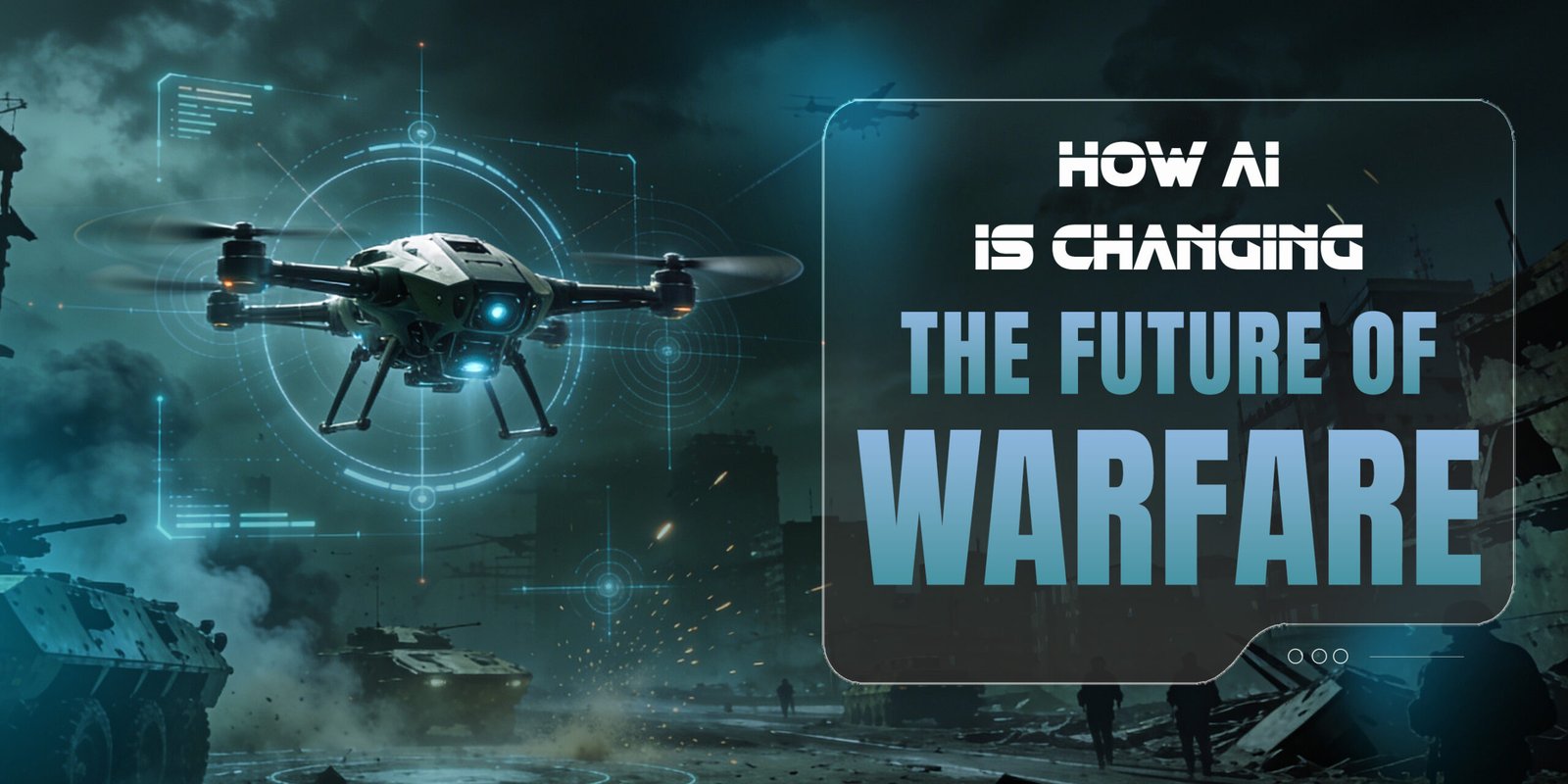
Artificial intelligence warfare has become a common topic in science fiction. Instead of soldiers making every decision, advanced computer systems may analyze information much faster than humans.
Stories often ask an important question though.
Should machines decide who lives and who dies?
That question has no easy answer.
Robots Continue Appearing In Fiction
Robotic battlefield technology has been part of science fiction for decades.
Some stories imagine robots fighting beside humans. Others show fully automated armies with almost no human control at all.
These ideas create excitement, but they also raise concerns about responsibility and ethics.
Future Weapons Are Not Always The Biggest Threat
Many future war scenarios focus less on giant explosions and more on cyber attacks, surveillance, communication systems, or cutting off important resources.
Sometimes the most dangerous weapon is information.
The Real Story Usually Begins After The War
Interestingly, many science fiction books spend more time exploring what happens after the fighting ends.
The global conflict aftermath becomes the real beginning of the story.
Cities need rebuilding.
Communities search for food.
People try to create new lives while carrying painful memories from the past.
This is where many readers become emotionally connected.
Life After Conflict Looks Different
Every author imagines recovery in a different way.
Still, certain ideas appear again and again.
- resource scarcity changes daily life
- people build small survival communities
- knowledge becomes valuable
- trust becomes difficult
- old systems disappear while new ones slowly grow
These situations make stories feel believable because readers can imagine themselves facing similar problems.
Human Survival Often Matters More Than Victory
War-win is not always a solution for everything.
You may notice that many science fiction warfare stories are focused only on human survival. No loss or win. In such stories, characters are seen fighting to protect their family, friends or even strangers.
Survival Means More Than Staying Alive
A person may survive physically but still struggle emotionally.
Loss.
Fear.
Loneliness.
Hope.
These emotions make characters feel real. Readers remember people more than machines.
Small Choices Become Important
Future wars often place characters in impossible situations.
Should they protect one person or many?
Should they save supplies today or prepare for tomorrow?
Small decisions sometimes change everything.
Society Changes In Ways Nobody Expected
One interesting part of future wars is how they reshape society itself.
Money may lose value.
Knowledge may become the new form of wealth.
People with useful skills could become leaders because communities depend on them.
Some science fiction stories even imagine a future where social class depends on what a person carries from the old world. Practical knowledge, tools, experience, and other valuable resources become more important than past status or possessions.
That idea makes readers think because it feels possible, even if the story itself is fictional.
Why Writers Keep Returning To Future Wars
Future wars give writers freedom.
They can explore politics without talking about one real country.
They can discuss ethics without pointing fingers.
They can imagine new technology while asking timeless questions about humanity.
That balance keeps the genre fresh.
Readers enjoy exciting action, but they also enjoy thinking about what these imagined futures might say about today’s world.
For authors like Theodore A Anderson, battle is not everything in future wars. It’s more about survival. It’s a way to explore how people could make difficult choices when daily-life things begin to disappear. His book “Shin Misaki: Future Dark Ages Of World War IV” is a perfect example of it.
Enjoyed the post? If so, you may also like reading “What Would Society Look Like After World War III?” This post discusses how communities might rebuild after large scale conflict and why human resilience matters so much.
Final Thoughts
Science fiction has always looked ahead. Future wars are one way writers imagine where humanity could be heading if technology, politics, and global tensions continue changing.
Some stories focus on machines.
Others focus on survival.
The strongest ones usually remember that no matter how advanced the future becomes, people remain at the center of every story.
That is probably why these books continue finding new readers year after year.
FAQs
Future wars actually make sci-fi stories exciting. Writers explore different possibilities in technology, society and how humans would react to the big change.
Writers quench many ideas from already researched subjects like AI, autonomous systems, robotics and other advanced tools for communication. Science fiction easily imagines each might look after development.
Many readers connect with rebuilding, survival, and human resilience more than the battles themselves. These themes create emotional depth and realistic character development.
Believable future war stories usually combine realistic human emotions with logical world building, thoughtful technology, and consequences that feel possible rather than exaggerated.