War always influences people’s imagination about what would happen in future. A lot of famous science fiction stories are inspired by real historical events and change them into a visionary world full of advanced technology, transforming societies and raising moral difficulties. These stories not only predict the future; they tell how humanity responds when it faces challenges.
Writers who draw inspiration from ancient battles to modern geopolitical tension can create a believable vision of tomorrow. Readers are attracted by these stories because they are a combination of entertainment and thoughtful questions about life, technology, and the outcome of conflicts.
Why Real Wars Shape Fictional Futures
History proves that conflict raises innovation during wartime. Countries frequently invest heavily in communication systems, transportation, healthcare systems, and defense. Writers observe all this growth and imagine how it could develop over generations.
That’s the reason why advanced technology that shows in military science fiction stories looks believable rather than impossible fantasy. example, autonomous weapons, intelligent defense systems, and cyber warfare frequently have roots in today’s research.
These stories are not stuck only with battles; they also study leadership, sacrifice, ethics and impossible decisions made when societies are pushed to their limits.
The Evolution of Future War Fiction
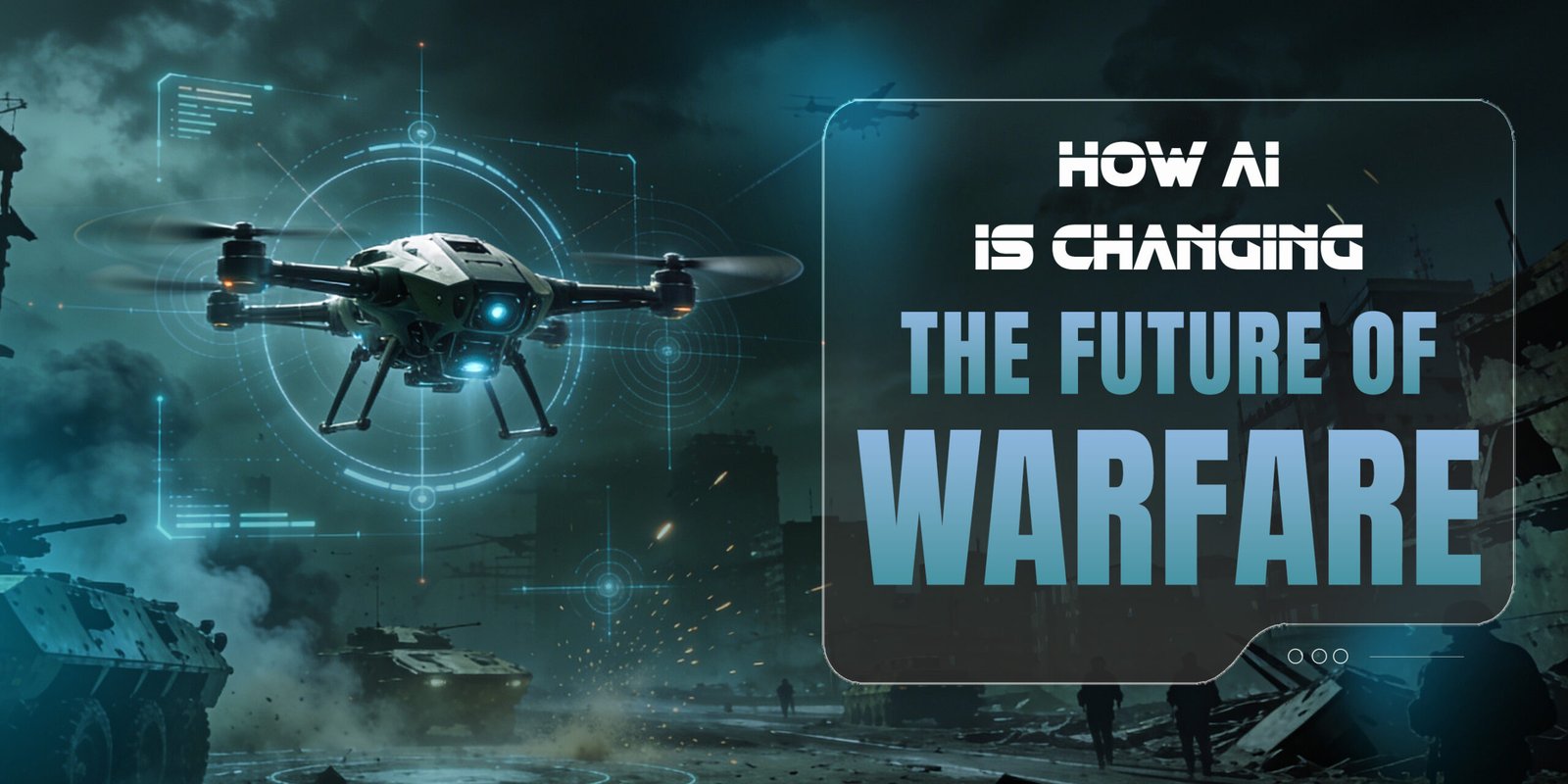
Over time, the real world changed, so future war fiction changed too. Today’s writers expect war using AI, drones. computers, and space technology. In the past decades, writers imagined traditional big wars between armies.
Writers now create a pool where politics, climate problems, money, and new technology together cause future wars because today’s readers are attracted by those stories that feel real and believable.
Future war stories are interesting because they mix imagination with real-world ideas.
Military Technology as a Storytelling Tool
The reason behind the development of military technology is the strong connection between real history and speculative war stories.
Every advanced technology raises important questions.
- What happens if machines make war battle decisions?
- How could society be affected if soldiers are enhanced by biotechnology?
- How could AI stop the war? Or make them worse?
Instead of answering, good writers make questions so readers can think about the future.e
Exploring Human Resilience During Conflict
Technologies make stories interesting, but the true heart of every good story is people and their emotions.
Whether characters are protecting their loved ones, rebuilding the destroyed ones, or making difficult decisions in crisis. Human flexibility has always been the main pillar of successful fiction.
Readers relate to those people who experienced extraordinary circumstances, because these stories have hope, survival and strength. Even in the darkest fictional futures, resilience reminds us that humanity’s greatest strength often comes from cooperation rather than destruction.
Dystopian Futures and Alternate Possibilities
Many authors employ the beginning of a war as the backdrop for their dystopian science fiction society. Governments fail, resources vanish, and new power dynamics arise.
This enables the reader to pose some important questions.
- How much liberty is a citizen willing to give up for the sake of security?
- Does technology substitute human judgment?
- Which values stand firm when civilization undergoes drastic change?
Few stories deliver a future where history changes after one pandemic event, and the world follows a different path.
Other stories imagine new future societies that are created after many generations of wars and conflicts.
These fictional worlds make readers think about how the decisions we make today can shape the future.
Post-Apocalyptic Worlds After Global Conflict
Another popular story type is post apocalyptic fiction, where civilization must rebuild after war.
The entire focus of the story is not only on destruction, they also highlights recovery and rebuilding, and communities also work together to bring back farming, education, culture and cooperation.
Many speculative war-based stories share that rebuilding society may be harder than surviving the war itself.
These stories delivered readers excitement and hope by showing that even after great loss, people can stand by themselves and lead a better future.
World War Themes Continue to Inspire Writers
Conflicts of the past impact stories of the present day because certain truths remain consistent regardless of time.
Diplomatic, leadership, propaganda, technological, and survival questions are just as relevant today as they were back then. Using ideas from World War literature allows writers to make their futuristic tales more tangible.
Science fiction writers study military history along with new technology in order to produce realistic yet imaginative narratives.
Why Futuristic Battle Stories Feel Real
The most effective future war stories succeed due to their emphasis on plausibility and consequences rather than nonstop action.
Characters, governments, and conflict scenarios need to be believable and should incorporate not only battles but also questions of ethics.
Contemporary science fiction novels consider many other topics beyond war, such as diplomacy, economics, artificial intelligence, environmental changes, and even the evolution of civilizations.
A Modern Example Worth Exploring
Those who wish to read stories that blend conflict, imagination and social evolution may find interest in “Shin Misaki And The Future Dark Ages Of World War IV” by Theodore A. Anderson. This book analyzes the impact of warfare on society through science fiction and imagines large-scale conflicts.
Loved this post? Want to read from the future war angle? Don’t forget to read our earlier post “How Future Wars Shape Science Fiction Stories“ and keep visiting Theodore Anderson to read interesting yet insightful posts.
Conclusion
The reason why science fiction tales have been popular all along is that the writers have had the capability to turn history into a vision for tomorrow. Writers can take inspiration from real-life happenings to create stories based on global conflict, developing civilizations, innovating in ethics, and the future of humans.
Regardless of whether you like futuristic war books, military stories, or even dystopian future tales, there is more to this genre than just fun. You get the chance to think about how today’s decisions affect tomorrow and appreciate the toughness of mankind.
FAQ
The thing that gives science fiction writers an edge over writers working with a fiction setting is realism. As real-world wars serve as an inspiration for writers, they get a better understanding of how technology, military leaders and soldiers act in a particular situation.
Traditional war fiction tended to be about large armies fighting on a battlefield. Today’s fiction is somewhat different since it takes into account AI, economic meltdown, climate change and drones. In addition, the main focus in this type of fiction is not the process of the war itself but its causes.
To tell you the truth, the best novels have much more than destruction. There is definitely some kind of war or conflict, but what makes the novels better is that they deal with recovery and reconciliation after the disaster.