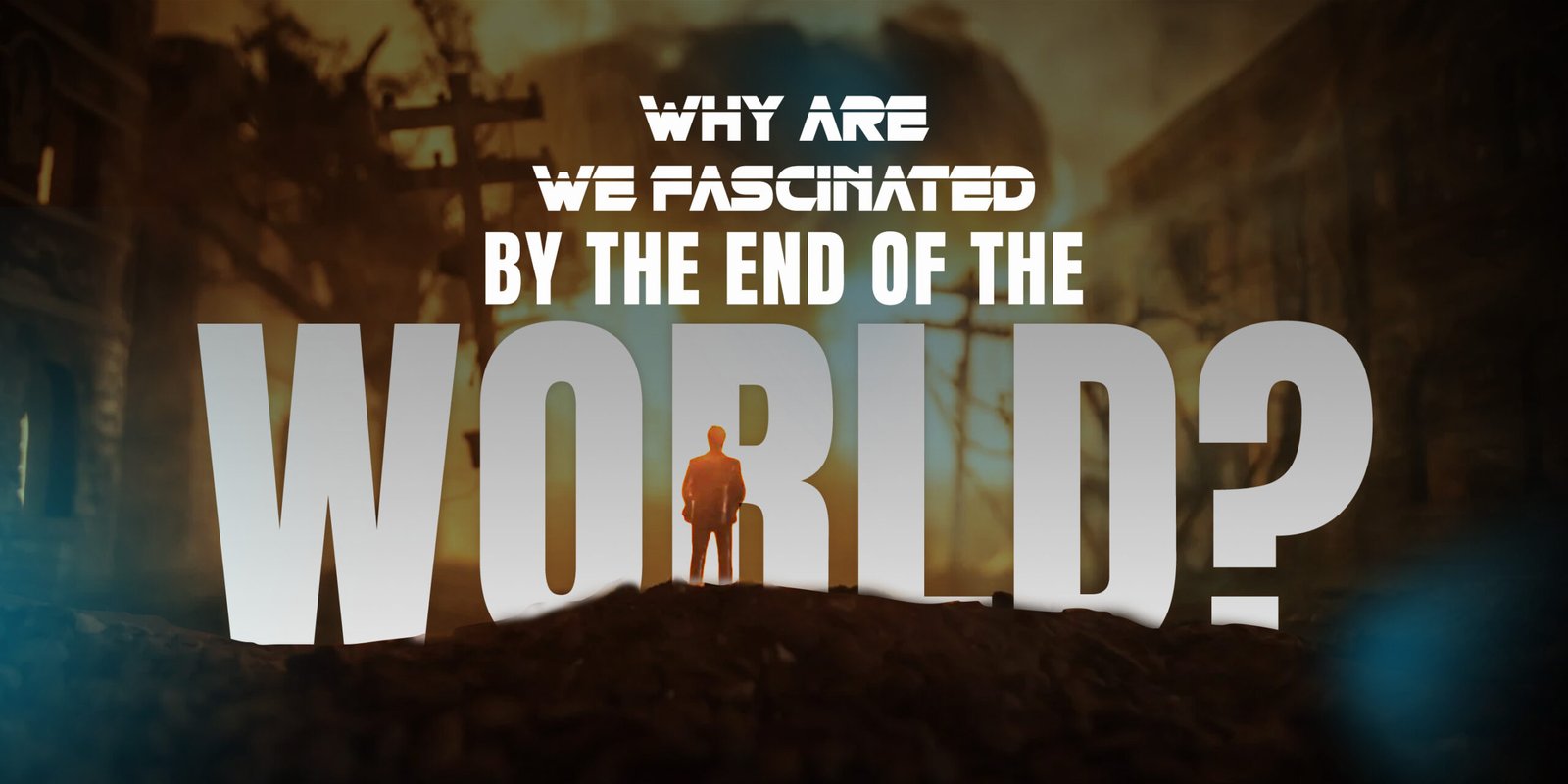
People are fascinated by the end of the world because apocalypse stories combine fear, curiosity, survival, and uncertainty. They let us imagine extreme situations from a safe distance. These stories also raise questions about human behavior, resilience, relationships, and what people might do when normal life disappears.
You’ve probably done this. Binged a disaster movie at midnight. Told yourself “just one chapter” of a dystopian novel, then looked up and realized it was 2 a.m. That pull is real. The end of the world isn’t just a plot device you consume for fun. It’s tapping into something older in you. Dread, curiosity, and weirdly, comfort. Cities collapse on screen, and somehow you walk out of the theater calmer than when you walked in.
Strange, right? But it’s not random at all.
The Short Answer: What’s Actually Going On
One reason may be that fiction gives us a safe way to imagine how we might respond to danger. It becomes a low-risk way to think through extreme situations. You’re not just watching a global catastrophe unfold; you’re asking yourself questions. What would you protect? Who would you trust?
You get the tension and excitement without facing the real consequences. There can also be a sense of relief in watching a fictional world fall apart and imagining how people might rebuild. It gives you a way to think about uncertainty from a safe distance. Scientific American discusses this connection between apocalypse stories, fear, uncertainty, and the appeal of imagining life after a disaster.
Where This Fascination Comes From
Humans naturally pay attention to threats and uncertainty. For thousands of years, recognizing danger has been important for survival. Today, that same interest can show up in different ways. Pandemics. Climate headlines. AI. War.
Being interested in these stories does not necessarily mean you want something terrible to happen. Fear, uncertainty, curiosity, and survival are some of the reasons people connect with apocalypse fiction.
A few things feed this pretty directly:
- Existential fears rarely come up over dinner, so fiction can become a way to think about them.
- Fear of the future shrinks a little when it’s packaged as a story with an actual ending
- Survival instincts get exercised even while you’re just lying on your couch
- Human resilience as a theme quietly reassures you that collapse isn’t necessarily final
You’re not just scrolling through content for fun. You’re processing anxiety you probably haven’t even named out loud.
Why Apocalypse Stories Stay Popular
Here’s what people miss. Apocalypse fiction is not new. Yet stories about collapse, survival, and rebuilding continue to attract readers and viewers. Real-world uncertainty can also make these themes feel more relevant.
Call it a coping mechanism wearing an entertainment costume. When the news feels unstable, fiction about societal collapse gives you some distance from it. You can shut the book. Try shutting a headline.
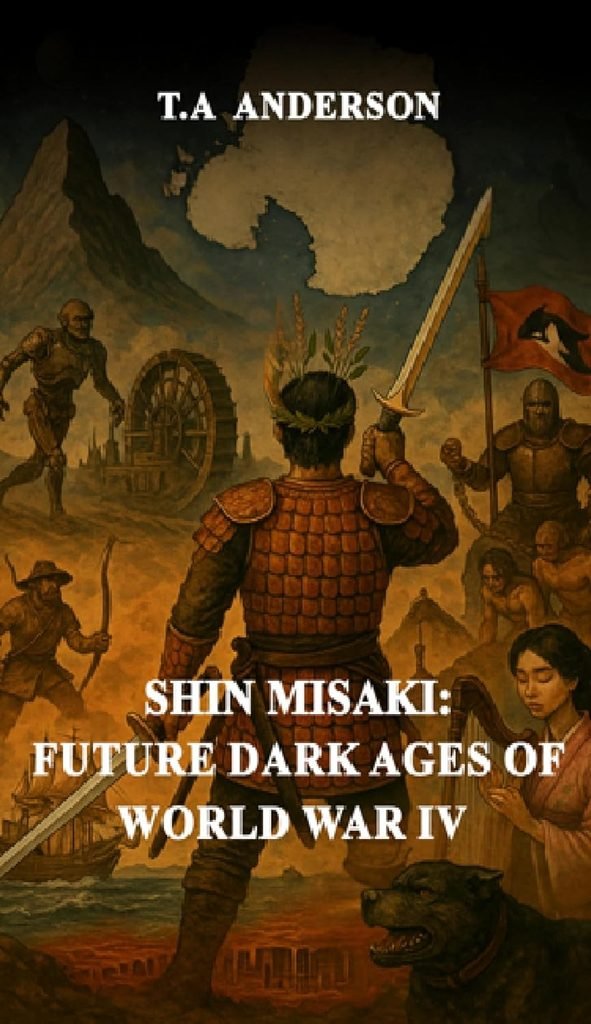
Writers keep returning to this territory because these stories give them room to explore fear, survival, human behavior, and the possibility of rebuilding. Theodore A. Anderson explores similar themes in Shin Misaki and the Future Dark Ages of World War IV. Set in a future shaped by global conflict, the story focuses on survival, resilience, discipline, and the struggle to rebuild.
Shop Now
What Fascinates You Most? A Quick Breakdown
| What Draws You In | Why It Works |
| Watching systems collapse | Satisfies “what if” curiosity, zero real consequences |
| Survivor characters | Lets you rehearse your own resilience mentally |
| Rebuilding arcs | Hope after chaos, not just wreckage |
| Technology gone wrong | Mirrors real anxieties around AI, war, control |
| Isolated communities | Taps your need for belonging and safety |
If a couple of these hit close to home, join the club. That’s kind of the whole genre’s business model.
The Role of Apocalypse Psychology in Everyday Life
You don’t need to be a doomsday prepper for any of this to apply. Apocalypse psychology shows up in smaller, dumber ways too. Like why you read survival tips you’ll probably never use once. Or why “what would you do if the power grid failed” somehow makes for decent dinner conversation.
It’s less about wanting the world to end and more about wanting to feel ready for whatever’s coming. Fiction gives you a rehearsal space where stakes feel high, but nobody actually gets hurt.
It’s Not Just Fear, It’s Curiosity Too
Not all of this is dark, either. A big part of the appeal comes from curiosity about human behavior, something that also explains why dystopian fiction continues to explore fear, control, survival, and freedom.
Stories set in a post apocalyptic world asks one blunt question: Who are you when everything you rely on suddenly disappears? Worth sitting with that for a minute, even from the safety of your couch.
Curious how these same anxieties connect to the real world, especially around new technology ? Read how AI is changing the future of warfare to see how modern dystopian storytelling reflects these changes.
Final Thoughts
Your fascination with the end of the world may have less to do with pessimism than with curiosity about fear, hope, survival, and uncertainty. Stories about collapse and rebuilding give you a space to think about big questions without facing those situations in real life.
Writers in this space understand that appeal. Theodore A. Anderson explores these ideas through stories of survival, conflict, resilience, and life after global destruction. The curiosity behind apocalypse fiction continues to give readers plenty to think about.
FAQs
People are often drawn to apocalyptic fiction because it lets them explore fear, uncertainty, survival, and human behavior without facing the real-world consequences of a disaster.
No. An interest in dystopian or apocalyptic fiction does not by itself indicate a psychological problem. People may enjoy these stories for many reasons, including curiosity, suspense, survival themes, and interest in human behavior.
Generally, yes. During pandemics, wars, or economic instability, more people turn toward dystopian and apocalyptic content as a way to mentally rehearse and process what’s actually happening around them.